
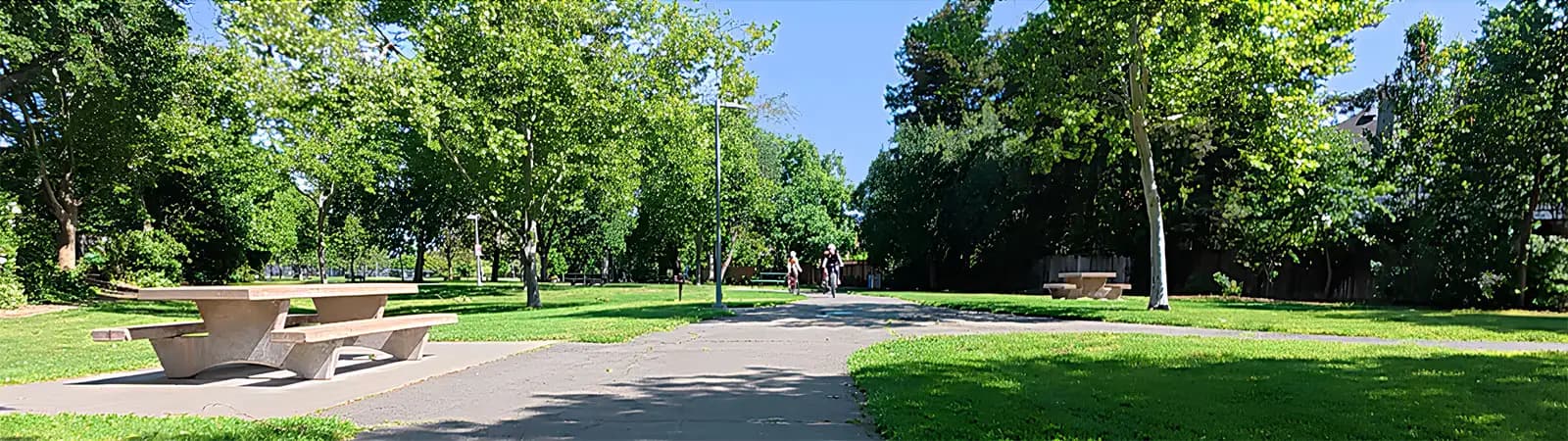
Home value in Davis, CA, reflects a combination of market conditions, property-specific characteristics, and neighborhood dynamics that every homeowner and buyer must understand. Whether a Davis homeowner is considering a sale, refinancing, or planning long-term investments, knowing what drives residential property value is the foundation of every smart real estate decision.
Davis occupies a distinct position in the California real estate landscape. Its proximity to UC Davis, strong school districts, bikeable neighborhoods, and consistent buyer demand from Sacramento and the Bay Area make local home values behave differently than in surrounding markets. Understanding the specific factors at work in Davis gives homeowners a real edge when the time comes to act.

Table of Contents
- Understanding What Determines Your Home Value in Davis
- Renovations That Can Increase Home Value
- The Role of Location in Davis Real Estate Valuation
- How Home Appraisals Impact Buying and Selling Decisions
- FAQ
- Conclusion
Understanding What Determines Your Home Value in Davis
Home value in Davis is determined by a combination of comparable sales, property condition, lot size, interior features, and current market supply and demand. No single factor drives the number alone. All these elements interact in real time, and a shift in any one area can meaningfully change what a buyer will pay.
National Association of Realtors data on metro area home price trends shows that more than 80% of metro areas across the United States posted home price increases in the first quarter of 2025, confirming that residential property values continue to rise in most markets. Davis consistently sits within this trend, supported by limited housing inventory, a stable employment base anchored by UC Davis, and sustained relocation demand from higher-cost Bay Area markets.
Learn How Comparable Sales Influence Property Value
Comparable sales, known as comps, are the most direct measure of what buyers in a specific neighborhood are actually willing to pay. When a similar home on your street sells for $850,000, that transaction becomes part of the data used to price and appraise your property. Comps must be recent, geographically close, and similar in size, condition, and features to carry meaningful weight.
Expert Tip: In Davis, comps are not just neighborhood-level. They are often street-level. A home on a bike path corridor in West Davis or a quiet cul-de-sac in Wildhorse will carry different comp pools than one on a major arterial. Understanding micro-location differences within Davis is critical to interpreting your actual market value rather than relying on city-wide averages.
Understand the Impact of Home Condition and Maintenance
A home's physical condition directly affects both its market value and its appraised value. Properties with deferred maintenance, aging systems, or visible wear signal risk to buyers and appraisers alike. That perceived risk translates into lower offers, longer days on market, and reduced negotiating leverage for sellers.
Mini Case Study: A Davis homeowner in Mace Ranch considered listing without addressing several minor but visible issues, including peeling exterior paint, a cracked concrete walkway, and dated kitchen hardware. After a pre-listing consultation, the owner spent approximately $4,500 on targeted repairs and cosmetic updates. The home received multiple offers within the first week and sold above the original expected list price. Condition improvements do not require extensive renovation to produce measurable results.
Renovations That Can Increase Home Value in Davis
Strategic renovations increase residential property value by improving buyer appeal, functional utility, and appraisal outcomes. Not all renovation spending, however, delivers equal return. Prioritizing projects with broad buyer appeal over highly personalized improvements consistently produces better outcomes when selling in Davis.
The Harvard Joint Center for Housing Studies, in the outlook for residential remodeling, projects that annual spending on home renovation and repair will increase by 1.2 percent through 2025, supported by rising home values, stronger equity levels, and an uptick in existing home sales. That broader national trend reflects what Davis homeowners already understand: maintaining and upgrading a home is one of the most reliable ways to protect and grow long-term real estate market value.

Discover Which Upgrades Deliver the Highest Return
Home Value Improvement Checklist for Davis Homeowners:
- Refresh exterior paint in a current, broadly appealing color palette
- Replace or refinish front door and entry hardware for strong first impressions
- Update kitchen fixtures, cabinet hardware, and countertops without a full gut renovation
- Replace outdated bathroom vanities and lighting in primary baths
- Ensure HVAC, water heater, and roof are current and documented for buyers
- Add or improve outdoor living space, as Davis's climate supports year-round outdoor use
- Upgrade to energy-efficient windows and insulation, which appeals to UC Davis-connected buyers
- Address all deferred maintenance before listing, including fencing, gutters, and irrigation
Projects that address deferred maintenance and improve curb appeal consistently outperform purely cosmetic or luxury upgrades in terms of return on investment. Davis buyers are practical and well-informed, and they recognize the value of a property that has been properly maintained over time.
Compare Timeshare Ownership With Traditional Real Estate
Exterior improvements produce the highest and most consistent return on investment in residential real estate because they shape a buyer's first impression before they enter the home. A well-maintained Davis property with strong curb appeal attracts more buyer interest, generates more showing activity, and commands stronger offers than a comparable property that looks tired from the street.
Interior upgrades matter, but they are evaluated subjectively. Buyers will accept a kitchen that does not perfectly match their taste if the price is right. A poor exterior, however, creates hesitation that is much harder to overcome with interior features alone. Davis sellers who invest in both exterior presentation and functional interior condition consistently see the strongest results.
The Role of Location in Davis Real Estate Valuation
Location is the single most durable driver of home value in Davis because it cannot be changed or upgraded. A property's position within the city, its proximity to schools, bike paths, downtown, and UC Davis, and the character of its immediate neighborhood all carry direct, measurable weight in what buyers will pay.
Federal Reserve research on homeownership and housing equity confirms that increases in house prices are a key driver of increases in household wealth, and that only homeowners directly benefit from rising home values. In Davis, where inventory remains constrained relative to buyer demand, location advantages are amplified further.

Evaluate the Importance of Neighborhood Amenities
Davis neighborhoods carry distinct value profiles based on their specific amenities and character. West Davis neighborhoods like Village Homes and Stonegate attract buyers who prioritize mature landscaping, community-oriented design, and proximity to greenbelt paths. North Davis neighborhoods such as The Cannery and Northstar appeal to buyers seeking newer construction and access to newer commercial corridors. East Davis communities like Wildhorse and Mace Ranch draw families prioritizing school proximity and large lot sizes.
Understanding which neighborhood characteristics attract your target buyer is essential for accurate pricing and effective marketing. A property in South Davis near Rose Creek offers a different value proposition than one in Central Davis near downtown, even if square footage and condition are identical. Buyers price location consciously and specifically in Davis.
Identify Factors That Attract Potential Buyers
Davis attracts a specific and consistent buyer profile: UC Davis faculty and staff, Bay Area relocators seeking affordability without sacrificing quality, and families drawn by the school district and community character. Each of these buyer segments applies a slightly different lens when evaluating home value, but all share core priorities including walkability, school ratings, commute access, and property condition.
Homeowners who understand their target buyer can make more informed decisions about which improvements to prioritize, how to price competitively, and how to position their property in marketing. Knowing the buyer before listing is one of the most underutilized advantages available to Davis sellers. Exploring current listing trends and local market conditions is the natural starting point for any homeowner evaluating their position.
How Home Appraisals Impact Buying and Selling Decisions
A home appraisal is an independent, licensed professional's opinion of a property's market value at a specific point in time. Appraisals are required in most mortgage transactions and serve as the lender's safeguard against overpaying for collateral. In Davis, where properties regularly receive multiple offers above list price, the appraisal step can create real friction between buyer and seller expectations.
Understanding how appraisals work, what appraisers measure, and where Davis homes are most likely to receive adjustments protects both buyers and sellers from surprises that can delay or derail transactions. Sellers who price strategically and document their home's condition and recent improvements are better positioned to support a strong appraised value.
Compare Appraised Value and Market Value
Appraised value and market value are related but distinct. Market value is what a ready, willing, and able buyer will pay in an open market transaction. Appraised value is a licensed professional's supported estimate based on documented comparables, property condition, and applicable market data. In competitive Davis markets, the two numbers do not always match, and the gap creates negotiation dynamics that affect how transactions close.
Davis homeowners preparing to sell benefit from reviewing recent sold data in their specific neighborhood before setting a list price. Sellers who understand what appraisers will look for, including comparable sales within the past 90 days, property condition documentation, and neighborhood-level adjustments, are far less likely to face appraisal-related challenges mid-transaction. Reviewing current Davis market data through the What's My Home Worth page is the most direct way to establish a realistic, defensible price.
Explore Ways to Build Equity and Increase Property Worth
Home equity grows in two ways: passive appreciation as market values rise, and active equity-building through principal paydown and strategic improvements. In Davis, both paths have historically performed well. The city's structural supply constraints and sustained buyer demand support passive appreciation, while targeted home improvements deliver active value gains when executed with market knowledge and discipline.
Davis homeowners who want a comprehensive view of how to approach their sale, from pricing strategy to preparation to marketing, can access the Home Seller's Guide for a detailed walkthrough of the full process. Sellers preparing for a Davis transaction should also review the Davis Resale Report page to understand the city-required inspection report that every seller must provide to buyers at the time of sale.
Frequently Asked Questions
What factors have the biggest impact on home value in Davis, CA?
Location within Davis, property condition, recent comparable sales, lot size, school district access, and proximity to UC Davis and bike corridors are the primary drivers of residential property value in Davis. Market supply and demand conditions amplify or moderate these factors depending on current inventory levels and buyer activity in each neighborhood.
How do renovations affect home value in Davis?
Renovations that address deferred maintenance, improve curb appeal, and update high-visibility spaces like kitchens and bathrooms consistently produce the strongest return on investment. Highly personalized or luxury upgrades tend to deliver lower returns because they appeal to a narrower buyer pool. Prioritizing broad buyer appeal over personal preference produces better financial outcomes.
What is the difference between appraised value and market value in Davis?
Market value is what a buyer will pay in an open market transaction. Appraised value is a licensed appraiser's documented estimate based on comparable sales, property condition, and adjustments for specific features. In competitive Davis markets where homes sell above list price, appraised value can sometimes come in below the agreed purchase price, requiring negotiation between buyer and seller.
How can Davis homeowners build equity over time?
Equity grows through passive market appreciation and active strategies including principal paydown, strategic renovations, and maintaining strong property condition. Davis homeowners benefit from the city's structural supply constraints and consistent buyer demand, both of which support long-term property value growth compared to markets with higher inventory and lower demand.
Conclusion
Home value in Davis, CA, is shaped by location, condition, comparable sales, neighborhood amenities, and market dynamics that interact differently here than they do in broader Sacramento-area markets. Davis homeowners who understand these factors make better decisions about when to sell, which improvements to pursue, and how to price and present their properties with confidence.
Anna Aljabiry Real Estate brings 13 years of focused Davis market experience to every buyer and seller transaction. Whether a Davis homeowner wants to understand what their property is worth today, prepare a home for a successful sale, or navigate the buying process with informed confidence, the resources at LivingInDavisCalifornia.com deliver the local expertise, market data, and personalized guidance that Davis clients trust. Reach out directly at 530.400.0496 to start the conversation.