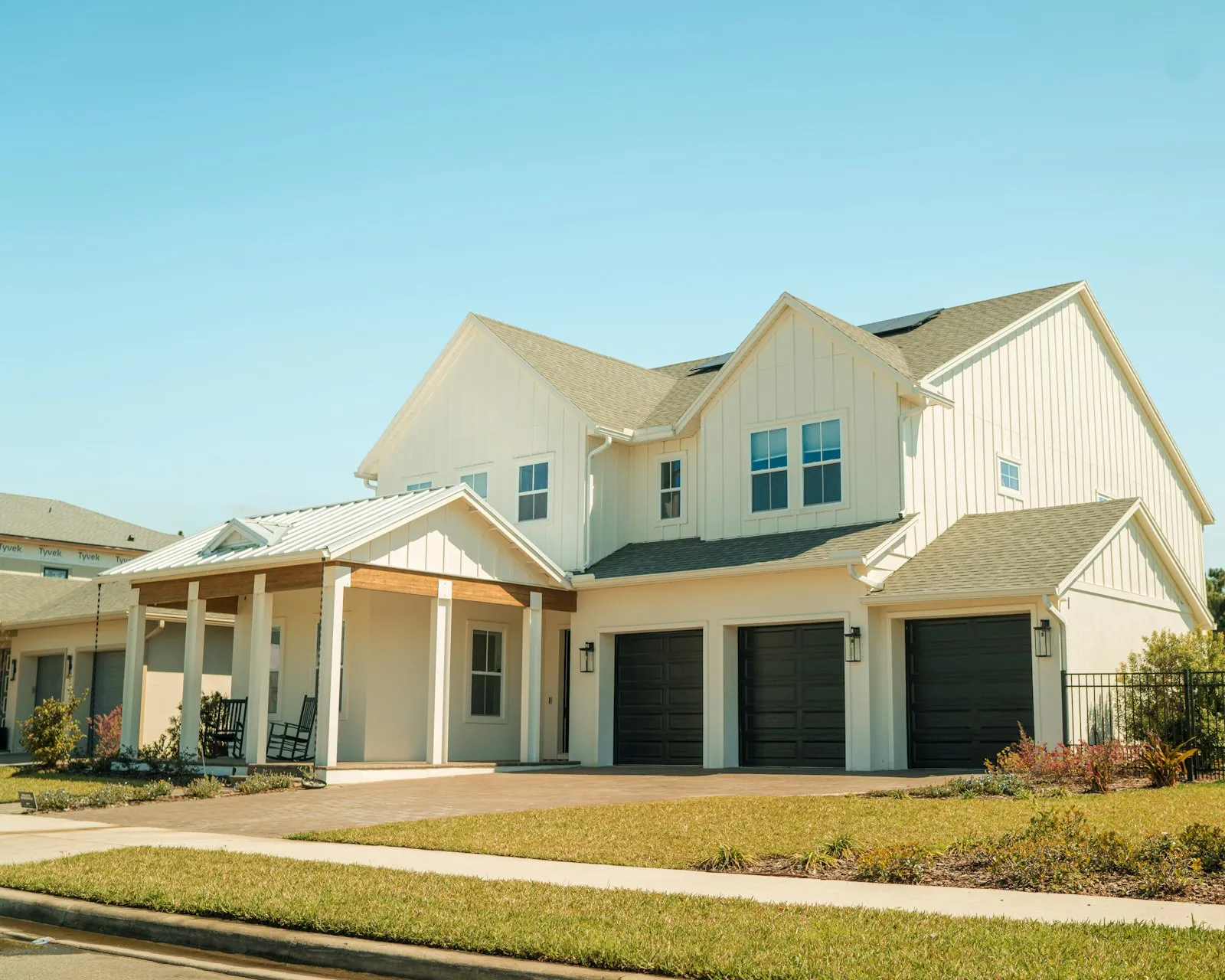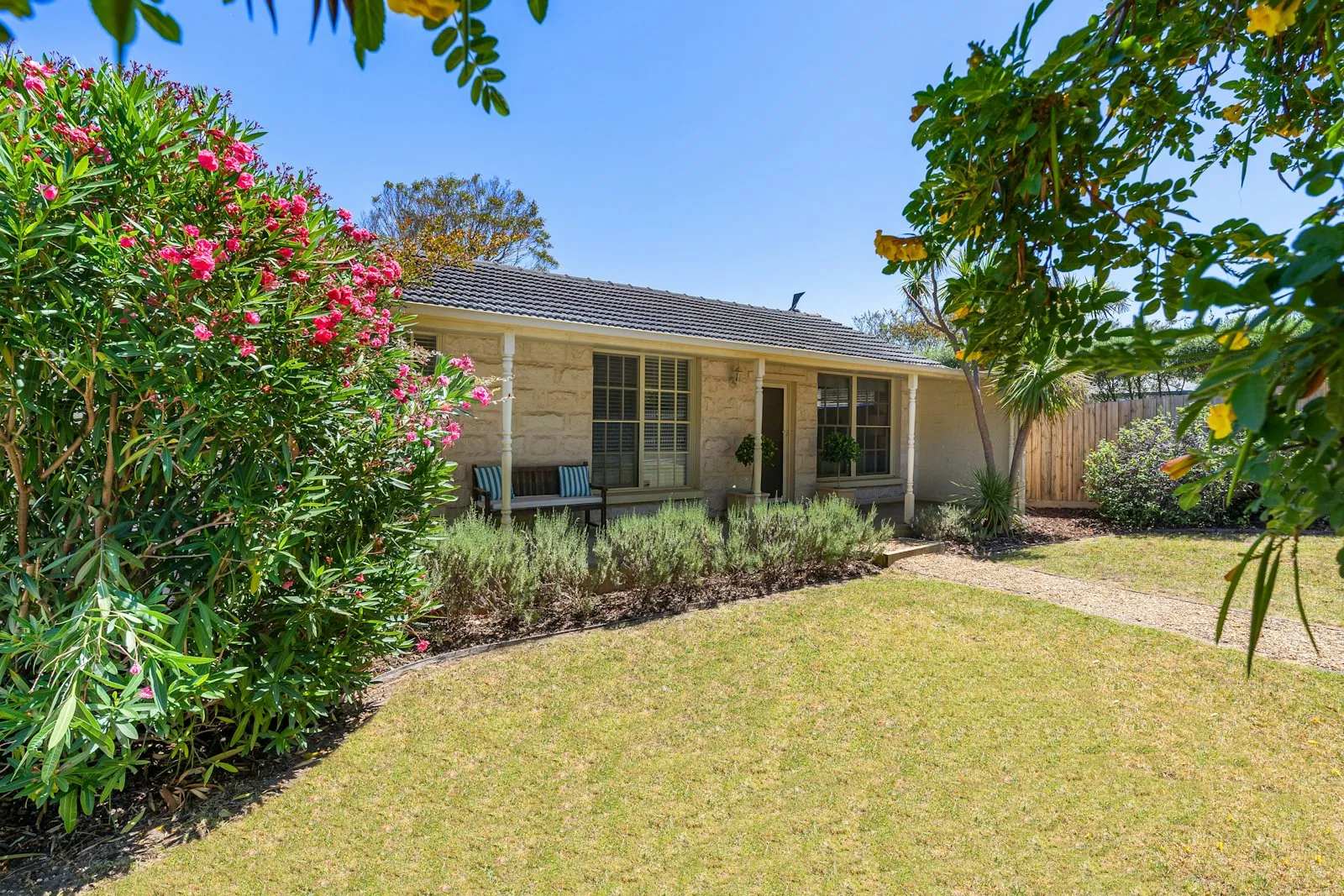

Vacation homes give Davis buyers a second place to live, relax, and build equity, whether that means a Sierra cabin within driving distance, a coastal escape, or a second property right here in Davis for visiting family and UC Davis students. The purchase works differently than a primary home, and prepared buyers win.
Davis homeowners hold meaningful equity, and many are ready to put it to work. This article explains what vacation homes really cost, why the timing favors Northern California buyers, how second-home financing works, and what it takes to maintain and rent out a holiday home successfully.
Table of Contents
- Vacation Homes: Everything You Need to Know Before You Buy
- Why Buying a Vacation Home Is a Smart Investment
- How to Finance a Vacation Home Purchase
- Tips for Maintaining and Renting Out Your Vacation Home
- FAQ
- Conclusion
Vacation Homes: Everything You Need to Know Before You Buy
A vacation home is a second property you occupy part of the year, separate from your primary Davis residence. Lenders, insurers, and the IRS all treat it differently than a primary home, which shapes the price, the loan, and the tax picture.
Expect a premium over primary housing. Redfin analysis of federal mortgage data shows the median second home was worth 495,000 dollars in 2024, compared with 385,000 dollars for primary homes. Davis buyers entering this market should plan budgets around that gap from day one.
How to Choose the Perfect Vacation Home
Choose by usage first: count the realistic days you will actually spend there, then match the drive time, property type, and setting to that number. A property three hours from Davis gets used; a property eight hours away gathers dust.
Run the USE-IT Test on every candidate. Usage: how many days per year will you really visit. Servicing: total the upkeep, HOA, utilities, and insurance. Exit: check how comparable properties resell. Income: estimate realistic rental revenue. Taxes: understand the property and rental tax treatment. Five honest answers separate a dream from a mistake.
Vacation Home vs. Investment Property
A vacation home is primarily for your own use, while an investment property exists to produce income. Lenders draw this line firmly: second-home loans carry different rates, down payments, and occupancy requirements than investor loans.
The distinction matters at closing and at tax time. Misrepresenting an investment property as a vacation home violates loan terms, so Davis buyers should decide their true intent before applying. Honest classification keeps the financing clean and the tax reporting simple.
Why Buying a Vacation Home Is a Smart Investment
A vacation home builds equity in a second market, provides personal enjoyment, can generate rental income, and diversifies wealth beyond a single Davis property. Bought carefully, it pays the owner back in both lifestyle and long-term value.
Northern California buyers are already moving. Redfin's analysis of 2024 mortgage data found second-home mortgages rose 17 percent in San Francisco and 15.9 percent in San Jose, among the largest increases in the country. Davis sits in the middle of that motivated Northern California buyer pool.

What Does a Vacation Home Really Cost?
The purchase price starts the math, not ends it. Add property taxes, insurance, utilities, maintenance, furnishing, HOA dues, and travel between homes. Mountain and waterfront properties add snow removal, septic, or flood coverage on top.
A realistic annual operating budget typically lands well above what first-time buyers expect. Build the full number before touring, and stress-test it against a year with zero rental income. If the budget survives that test, the property is affordable in the way that matters.
Best Features to Look for in a Holiday Home
Prioritize features that serve both owners and future guests: low-maintenance materials, sleeping capacity beyond the bedroom count, dedicated parking, reliable internet, and year-round accessibility. These features drive personal enjoyment and rental performance at the same time.
Location details compound over time. Proximity to a lake, trailhead, downtown, or campus keeps demand steady across seasons. For Davis buyers weighing a second property locally, luxury homes on the Davis market show how scarce, well-located properties hold value through every cycle.
How to Finance a Vacation Home Purchase
Vacation homes are financed with second-home mortgages, which require stronger credit, larger down payments, and lower debt-to-income ratios than primary loans. Cash purchases and home equity from a primary Davis residence are common alternatives.
Second-home lending is a selective club. Redfin reports second-home loans made up just 2.6 percent of all mortgages in 2024, a record-low share, with 86.4 percent going to high-income buyers. Preparation is what gets a Davis buyer approved on strong terms.
Common Mistakes First-Time Vacation Home Buyers Make
Avoid the mistakes that sink first-time second-home buyers. This checklist protects your purchase:
- Never budget only the mortgage; total insurance, taxes, upkeep, and travel
- Never assume rental income will cover the payment in year one
- Never skip researching local short-term rental rules before buying
- Never buy in a market you have visited only once, in one season
- Never finance a second home without comparing multiple lender quotes
Rate shopping deserves real effort. The Consumer Financial Protection Bureau's home buying resources show how comparing loan offers saves money over the life of a mortgage, and a mortgage calculator lets Davis buyers model second-home payments before ever calling a lender.
Tips for Maintaining and Renting Out Your Vacation Home
Successful vacation home ownership pairs preventive maintenance with a clear rental strategy. Schedule seasonal inspections, automate what you can, hire local help for what you cannot, and decide upfront whether the property will earn income.
The tax rules reward informed owners. The IRS explains in its rules on renting residential and vacation property that a home rented fewer than 15 days per year generally requires no rental income reporting, while longer rental use changes the deduction and reporting picture entirely. Know the line before you list.

Can You Rent Out Your Vacation Home?
Yes, in most markets, subject to local ordinances, HOA rules, and permit requirements. Short-term rental regulations vary sharply between cities and counties, so verify the exact rules for the property's jurisdiction before counting on rental income.
Consider a hypothetical Davis family. They buy a two-bedroom cabin near the Sierra foothills, use it fifteen weekends per year, and rent it during peak summer and winter weeks. The rental income covers most operating costs, the family keeps its favorite holidays reserved, and the property appreciates while paying for its own upkeep.
How to Increase the Value of Your Vacation Property
Increase value through improvements guests and future buyers both reward: durable flooring, refreshed kitchens and baths, strong outdoor living spaces, and photography-ready furnishing. Energy-efficient upgrades cut operating costs while broadening buyer appeal at resale.
Expert tip: keep a simple log of every improvement, repair, and service visit from day one. Documented care raises buyer confidence at resale, supports insurance claims, and helps establish cost basis for taxes. A twenty-minute habit protects a six-figure asset, and working with an experienced buyer's resource keeps every step organized from search to close.
Frequently Asked Questions
Are vacation homes a good investment for Davis buyers?
Yes, when bought with a complete budget and realistic usage plan. Vacation homes build equity in a second market, offer personal enjoyment, and can produce rental income. Davis buyers benefit from strong local equity and proximity to mountain, lake, and coastal markets.
How much down payment does a vacation home require?
Second-home mortgages typically require larger down payments than primary loans, often starting around 10 percent and frequently higher for the strongest rates. Requirements vary by lender, credit profile, and debt-to-income ratio, so comparing multiple loan quotes always pays off.
Can I use my Davis home equity to buy a vacation home?
Yes. Many buyers tap primary-home equity through a home equity loan, HELOC, or cash-out refinance to fund a second-home down payment or full purchase. The right structure depends on rates, equity levels, and your overall financial plan.
Do I pay taxes on vacation home rental income?
It depends on rental days. Under IRS rules, renting your home fewer than 15 days per year generally means the income is not reported. Beyond that threshold, rental income is reportable and expenses become deductible under specific allocation rules worth reviewing with a tax professional.
Conclusion
Vacation homes reward Davis buyers who plan like owners, not dreamers: budget the full cost, choose by real usage, finance with strong preparation, verify rental rules, and maintain the property like the asset it is. Done right, a second home delivers years of memories and a growing store of equity.
Anna Aljabiry Real Estate brings 13 years of Davis real estate experience, deep local market knowledge, and a personalized approach to every buyer, seller, and investor. Call 530.400.0496 to search properties and get trusted, dedicated representation for your next purchase in and around Davis, CA.